Here you can find some fascinating information and factsheet about Hungary. Mesmerizing location, felicitating festival, awesome food, blissful climate … all to win your heart for certain. Come, visit Hungary!
Facts About Hungary
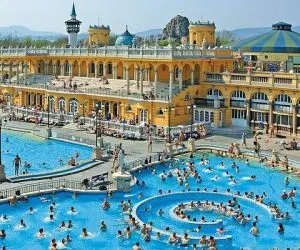
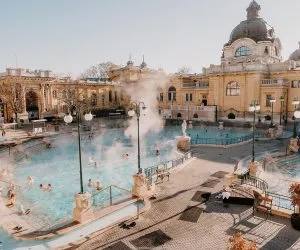
Thermal baths: Hungary is famous for its thermal baths, which are rich in minerals and are believed to have healing properties. The most famous thermal bath in Hungary is the Gellért Baths in Budapest.
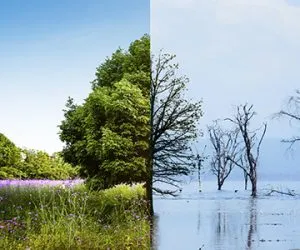
Climate: Hungary has a temperate climate with warm summers and cold winters. The average temperature in summer is around 25°C (77°F), while in winter it is around 0°C (32°F).
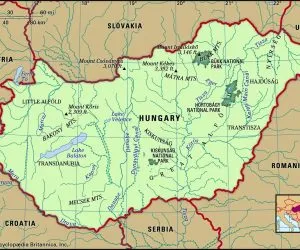
Geography:Hungary is located in central Europe and is bordered by seven countries: Austria, Slovakia, Ukraine, Romania, Serbia, Croatia, and Slovenia.
Topography:The country is predominantly flat with low lands, but there are some mountainous regions in the north and north east, including the Mátra, Bükk, and Aggtelek mountain ranges.
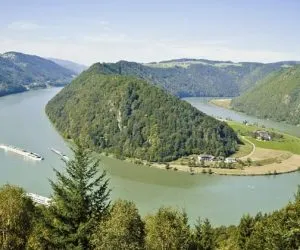
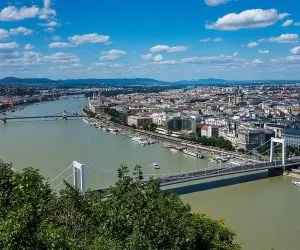
Rivers: Hungary is home to several major rivers, including the Danube, Tisza, and Dráva rivers. The Danube is the second-longest river in Europe and is an important trade route and source of drinking water.
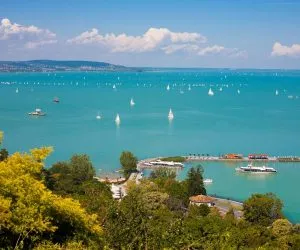
Lake Balaton:Lake Balaton is the largest fresh water lake in Central Europe and is a popular tourist destination in Hungary. It is known for its sandy beaches, scenicviews, and wine-growing regions.
Some Interesting Places To Visit In Hungary
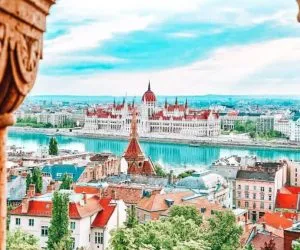
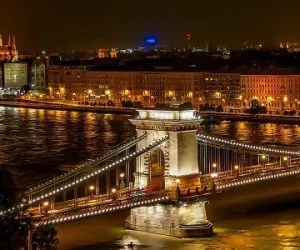
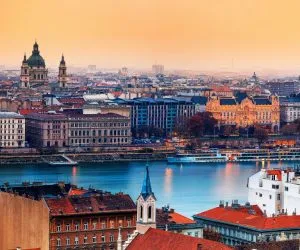
Budapest:Budapest is the capital city of Hungary and is known for its stunning architecture, thermal baths, vibrant night life, and rich history. Some of the must-see attractions in Budapest include Buda Castle, Fisherman’s Bastion, St. Stephen’s Basilica, and the Hungarian Parliament Building.
Lake Balaton: Lake Balaton is the largest fresh water lake in Central Europe and is a popular tourist destination in Hungary. It is known for its sandy beaches, scenic views, and wine-growing regions.
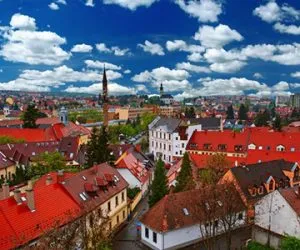
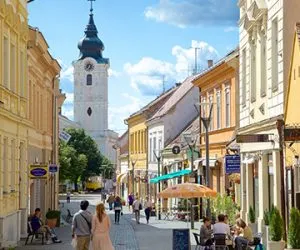
Eger:Eger is a beautiful historical city located in north eastern Hungary. It is famous for its thermal baths, Baroque architecture, and the ruins of its medieval castle.
Debrecen: Debrecen is the second largest city in Hungary and is located in the eastern part of the country. It is known for its beautiful parks, historic churches, and thermal baths.
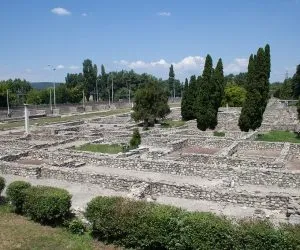
Pécs: Pécs is a city located in south western Hungary and is known for its rich cultural heritage, including several UNESCO World Heritage Sites, such as the Early Christian Necropolis of Pécs and the Cella Septichora Visitor Centre.
Some Interesting Facts About Hungarian Cuisine
Paprika: Paprika is a staple ingredient in Hungarian cuisine and is used to add flavor and color to dishes such as goulash and chicken paprikash. Hungarian paprika is considered to be some of the best in the world and is known for its rich, sweet taste.
Goulash:Goulash is a traditional Hungarian stew that is made with beef, potatoes, onions, and paprika. It is one of Hungary’s most famous dishes and is a must-try for any one visiting the country.
Strudel: Strudel is a type of pastry that is popular in Hungary. It is made by wrapping thin layers of pastry dough around a sweet or savory filling, and is often served as a dessert.
Palinka:Palinka is a type of fruit brandy that is popular in Hungary. It is made from a variety of fruits, including apricots, plums, and cherries, and is typically served as a digestive after a meal.
Langos: Langos is a type of Hungarian fried bread that is served as a snack or as a light meal. It is often topped with sour cream, cheese, and other ingredients, such as garlic, and is a popular street food in Hungary.
Turo Rudi: Turo Rudi is a type of Hungarian chocolate-covered cheese snack that is made by rolling curds of cheese in chocolate and cutting it into small pieces.
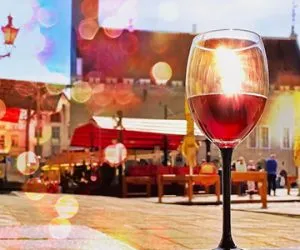
Hungarian Wine: Hungary is known for its wine-making traditions and produces a variety of wines, including reds, whites, and sparkling wines. The most famous Hungarian wine-growing regions include Tokaj, Eger, and Villány.
Some Popular Music Festivals In Hungary
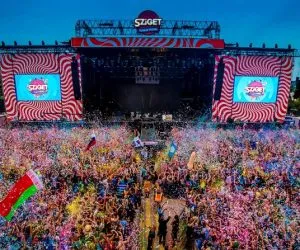
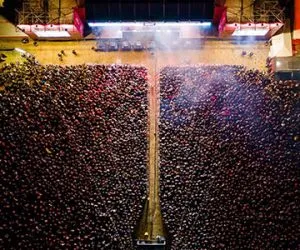
Sziget Festival is one of the largest music and cultural festivals in Europe, held annually on Óbudai-sziget (Old Buda Island) in Budapest, Hungary. The festival typically takes place over the course of a week in August and features a diverse lineup of artists across multiple genres, including rock, pop, hip-hop, electronic music, and more.
Learn More:
In additionto music, Sziget Festival also offers a range of other activities, including theater and dance performances, art exhibitions, cinema screenings, sports events, and a large selection of food and drink vendors. The festival is known for its unique atmosphere, with thousands of international visitors coming together to celebrate music, art, and culture in a relaxed and friendly environment.
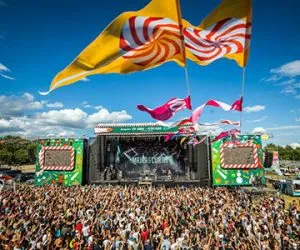
Balaton Sound: This electronic music festival is held on the shore of Lake Balaton and features a lineup of world-class DJs and live acts.
VOLT Festival: One of the largest music festivals in Central Europe, the VOLT Festival features a diverse lineup of artists across multiple genres, including rock, pop, hip-hop, and electronic music.
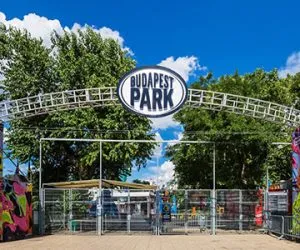
Budapest Park: A large outdoor concert venue in Budapest, offering a variety of live music and other events throughout the year, including concerts, DJ sets, and cultural festivals.
SZIN Festival: A multi-day music and arts festival held in Szeged, featuring a lineup of Hungarian and international acts across multiple genres, including rock, pop, hip-hop, and electronic music.
Strand Festival: A summer music festival held on the shores of Lake Balaton, featuring a lineup of Hungarian and international acts across multiple genres, including rock, pop, hip-hop, and electronic music.
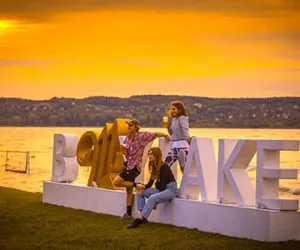
B.My.Lake: A music festival held at Lake Balaton, featuring a lineup of world-class DJs and live acts, as well as boat parties and other fun activities.
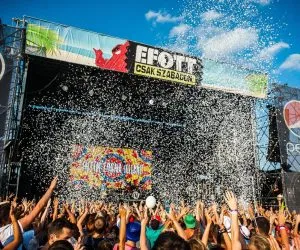
EFOTT Festival: One of the largest student festivals in Europe, the EFOTT Festival features a diverse lineup of Hungarian and international acts across multiple genres, as well as food and drink vendors, cultural activities, and sports events.
Learn More:
These are just a few of the many music festival sheld in Hungary, which offer young people the opportunity to enjoy live music, meet new people, and have fun in a unique and exciting setting.
Short Information About Budapest
Location: Budapest is the capital and largest city of Hungary, located in the central part of the country along the Danube River.
Name: Budapest is actually two cities, Buda and Pest, that were merged into one city in 1873. Buda is located on the west bank of the Danube and is the older, more historic part of the city, while Pest is located on the east bank and is more modern and commercial.
History: Budapest has a rich history, dating back to Roman times. It was an important city in the Austro-Hungarian Empire and was severely damaged during World War II. Today, it is a thriving cultural and economic center.
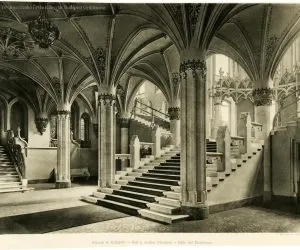
Architecture:Budapest is known for its stunning architecture, including Gothic, Renaissance, Baroque, and Art Nouveau buildings. Some of the city’s most famous buildings include the Parliament Building, St. Stephen’s Basilica, Fisherman’s Bastion, and Buda Castle.
Thermal baths:Budapest is famous for its thermal baths, which use the city’s natural hot springs to heat the water. The most famous thermal bath in Budapest is the Gellért Baths, which was built in 1918 and features indoor and outdoor pools, saunas, and steam rooms.
Food:Hungarian cuisine is a mix of traditional and modern dishes, with a focus on meat, vegetables, and spices. Some of the most popular dishes in Budapest include goulash, a heartystew made with beef and vegetables, and chimney cake, a sweet pastry made from dough and baked over an open flame.
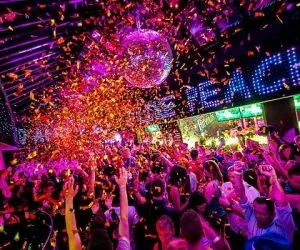
Night life:Budapest has a vibrant night life, with a variety of bars, clubs, and music venues. The city is also known for its ruin bars, which are for merabandoned buildings that have been converted into bars and clubs
Reasons To Study In Hungary
Quality Education: Hungary has a long tradition of academic excellence and is home to several world-renowned universities.
Affordability:Studying in Hungary is relatively affordable compared to other countries in Europe, making it an attractive option for students who are looking for an affordable but high-quality education.
Cultural Diversity:Hungary is a culturally rich country, with a mix of traditional and modern cultures. This cultural diversity makes it an interesting and exciting place for international students to study and live.
Unique Opportunities:Hungary offers a range of unique opportunities for international students, including the chance to study abroad at one of its many universities, the opportunity to learn about Hungarian culture and history, and the chance to participate in cultural events and festivals.
Beautiful Cities:Hungary is home to several beautiful cities, including Budapest, which is of ten referred to as the “Paris of the East.” These cities are full of history, architecture, and culture, and are a great place for international students to live and study.
Career Opportunities:After graduation, Hungary offers numerous career opportunities for international students, with a strong and growing economy and a highly skilled work force. Additionally, many multinational companies have a presence in Hungary, making it a great place for international students to launch their careers.
Cost Of Living In Hungary For International Students
Affordable: Compared to other countries in Europe, Hungary is considered to be relatively affordable, with lower costs for housing, food, and transportation. This makes it a popular destination for international students who are looking for a high-quality education at a reasonable cost.
Housing: The cost of housing in Hungary variesde pending on the location and the type of accommodation you choose. On average, you can expect to pay between 200-400 EUR per month for a shared apartment in the city center.
Food: Food in Hungary is relatively cheap, with prices for basic items such as bread, milk, and vegetables being lower than in many other countries. Eating out at a restaurant can also be affordable, with prices for a meal ranging from 5-15 EUR.
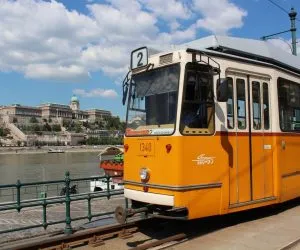
Transportation: The cost of transportation in Hungary is reasonable, with tickets for public transportation ranging from 1-3 EUR. Additionally, the country has a well-developed public transportation system, making it easy and convenient to get around.
Entertainment: The cost of entertainment in Hungary is also relatively low, with many cultural and recreational activities available at affordable prices. For example, you can visit museums, art galleries, and theaters for a few euros, and there are many free out door events and festivals that take place through out the year.
Scholarships: Many universities in Hungary offer scholarships and financial aid to international students, which can help to reduce the cost of living. It’s worth exploring these options to see if you a reeligible for any financial support.
Part-time Jobs: International students are also allowed to work part-time while studying in Hungary, which can help to off set the cost of living. There are many opportunities for part-time work, including on-campus jobs and internships, which can provide valuable work experience while helping you earn some extra money.